Abstract
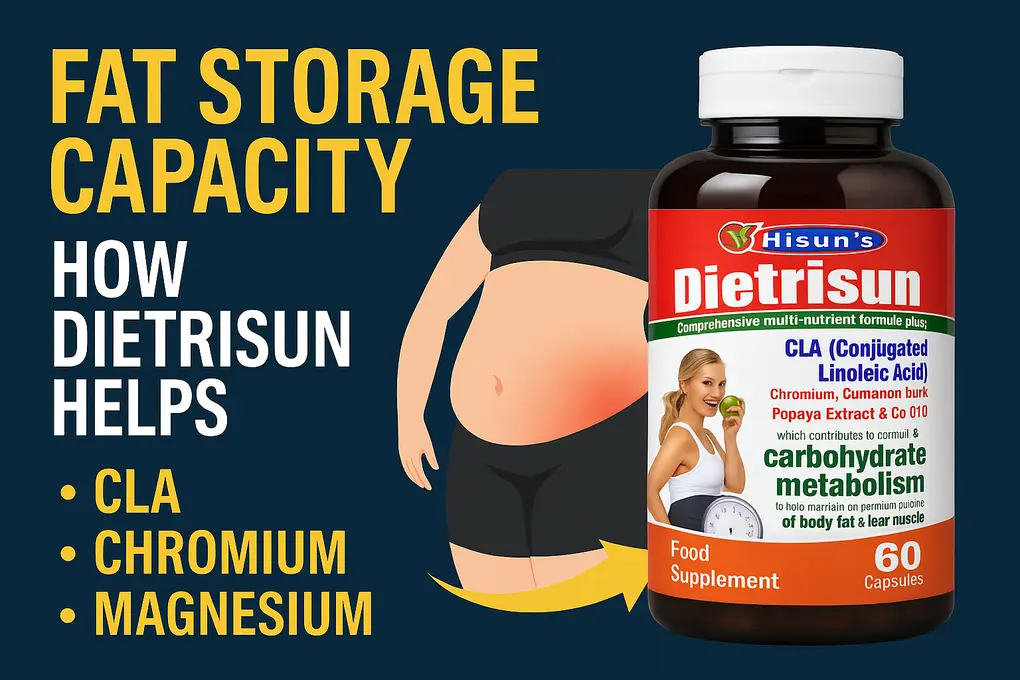
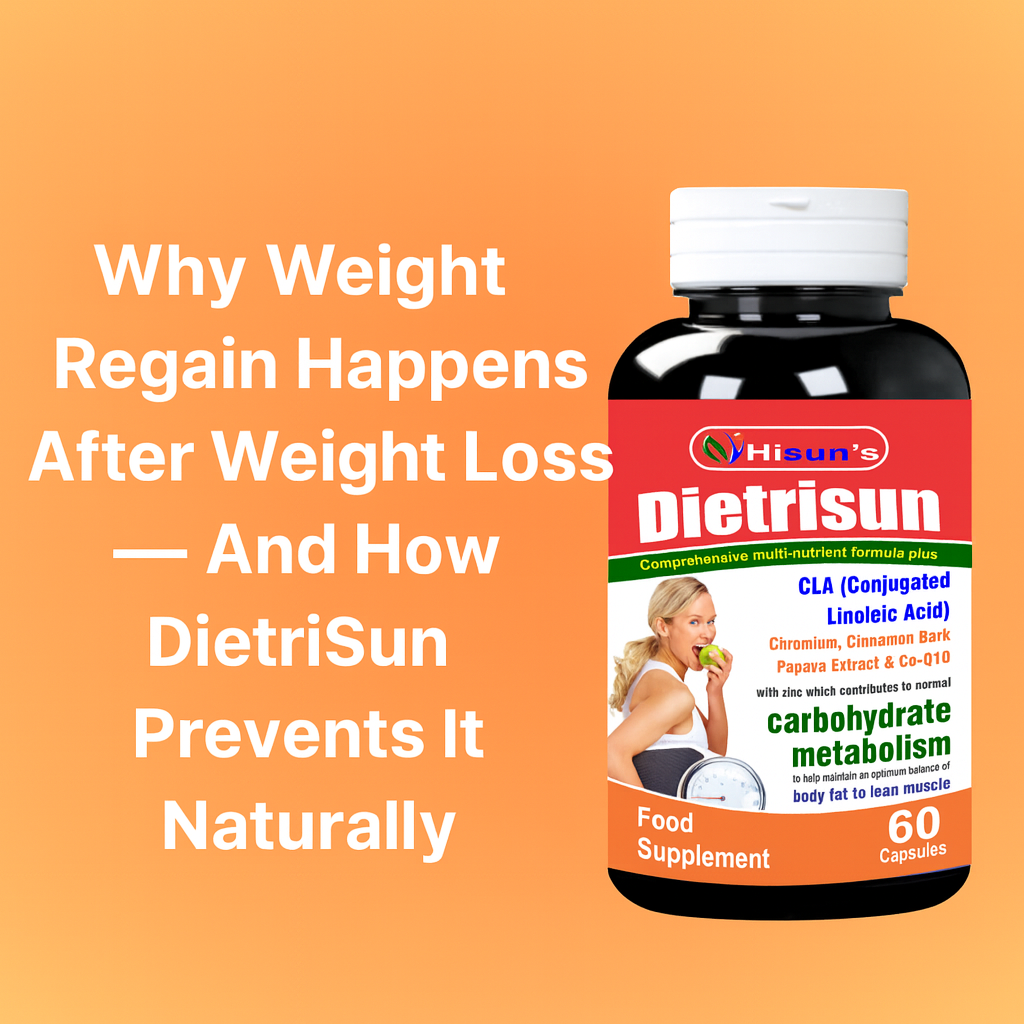
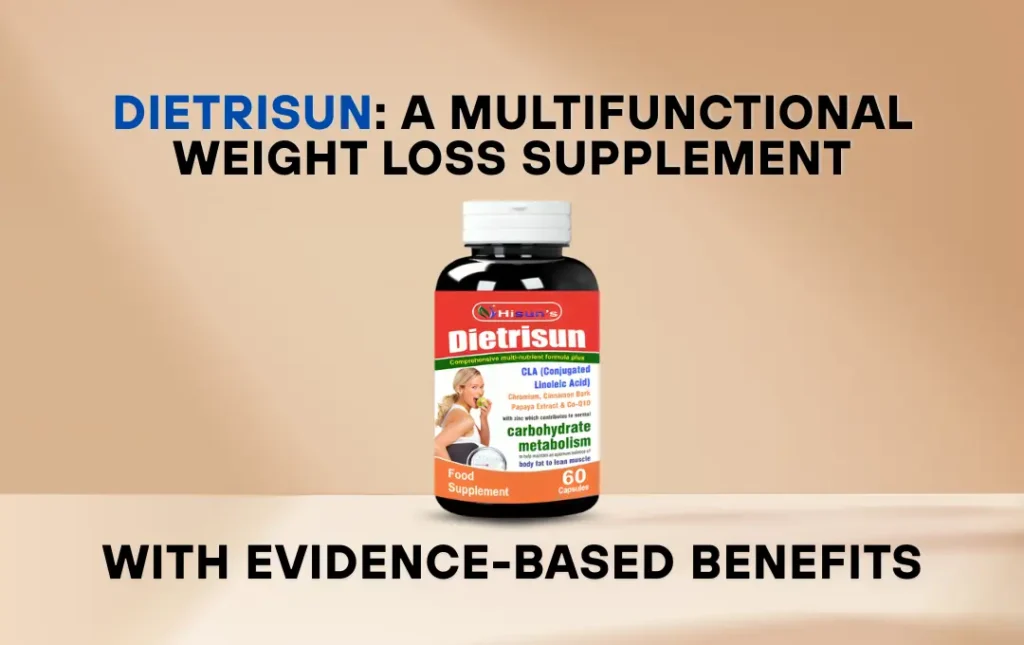
Obesity and metabolic disorders have become global health concerns, increasing the risk of cardiovascular diseases, type 2 diabetes, and other metabolic syndromes. Dietrisun, a scientifically formulated weight management supplement by Smart Healer Pharmaceuticals, contains a combination of bioactive compounds, including Conjugated Linoleic Acid (CLA), Coenzyme Q10 (CoQ10), cinnamon extract, chromium, lecithin, papain, selenium, carotenoids, magnesium, manganese, iodine, and essential vitamins. This article explores how Dietrisun enhances fat metabolism, improves insulin sensitivity, preserves lean muscle mass, and supports overall metabolic health, particularly with diet and exercise.
Introduction
Weight loss involves a complex interplay of metabolic, hormonal, and behavioral factors. Traditional weight loss strategies focus on caloric restriction and increased physical activity. However, dietary supplements with bioactive compounds have emerged as adjuncts to enhance fat oxidation, regulate appetite, and optimize metabolic function.
Dietrisun is a multi-ingredient supplement that supports weight loss by enhancing metabolism, reducing fat storage, improving energy production, and preventing weight loss plateaus. The scientific rationale behind its formulation is based on well-established metabolic pathways and the role of its components in weight management.
Mechanisms of Action
This formula is designed to support healthy weight management by enhancing metabolism, regulating blood sugar levels, promoting fat breakdown, preserving muscle mass, and reducing inflammation. Each ingredient is specific in optimizing metabolic function and improving overall energy levels.
Enhancing Metabolism and Fat Oxidation
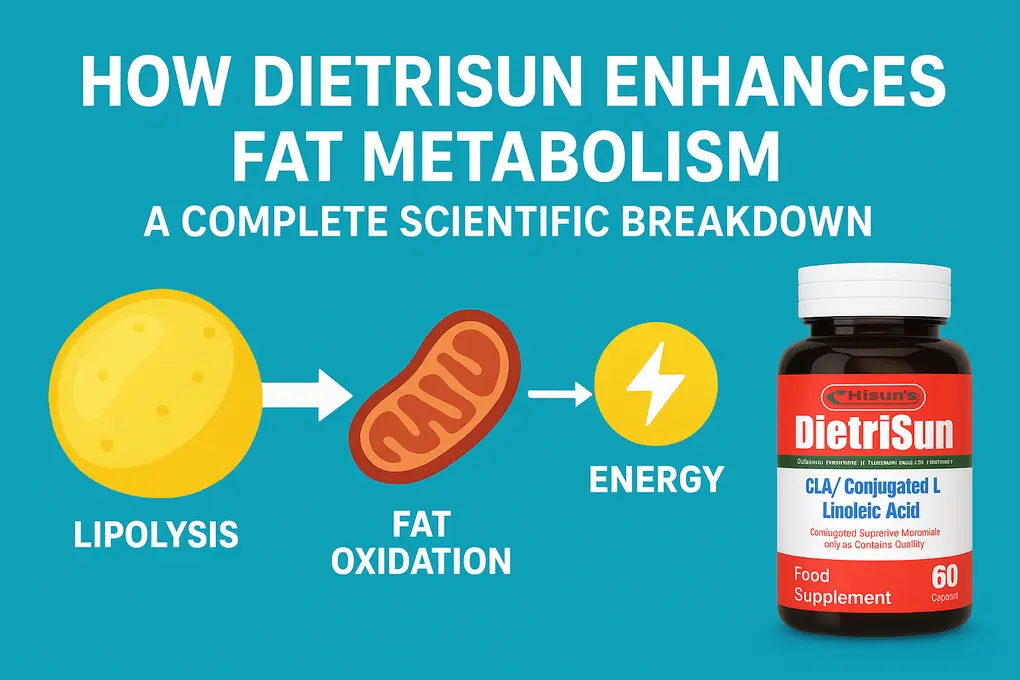
- Conjugated Linoleic Acid (CLA) (1600mg per 4 capsules): CLA is a naturally occurring fatty acid that has been shown to increase basal metabolic rate (BMR) and stimulate fat oxidation. Studies indicate that CLA enhances lipolysis by activating peroxisome proliferator-activated receptors (PPARs), which regulate fat metabolism (Whigham et al., 2007).
- Coenzyme Q10 (10mg): CoQ10 plays a critical role in mitochondrial energy production and enhances ATP synthesis, which helps optimize metabolic efficiency (Hernández-Camacho et al., 2018).
- Natural Mixed Carotenoids (2mg): These bioactive compounds enhance mitochondrial function, leading to increased energy expenditure and fat breakdown (Krinsky & Johnson, 2005).
Regulating Insulin Sensitivity and Blood Sugar Levels
- Chromium (150mcg): Chromium enhances insulin receptor sensitivity, reducing postprandial glucose spikes and minimizing fat accumulation (Anderson, 1998).
- Cinnamon Extract: Cinnamon improves glucose uptake by increasing GLUT4 transporter activity, leading to better glycemic control and reduced cravings (Ranasinghe et al., 2012).
- Vitamin B Complex (B1 – 10mg, B2 – 2mg, B3 – 20mg, B6 – 10mg, B12 – 9mcg, Pantothenic Acid – 30mg, Biotin – 45mcg, Folic Acid – 400mcg): These vitamins support glucose metabolism and enhance energy production (Kennedy, 2016).
Lipolysis and Fat Mobilization
- Lecithin (30mg): Lecithin acts as an emulsifier, facilitating the breakdown and absorption of dietary fats (Rinella, 2016).
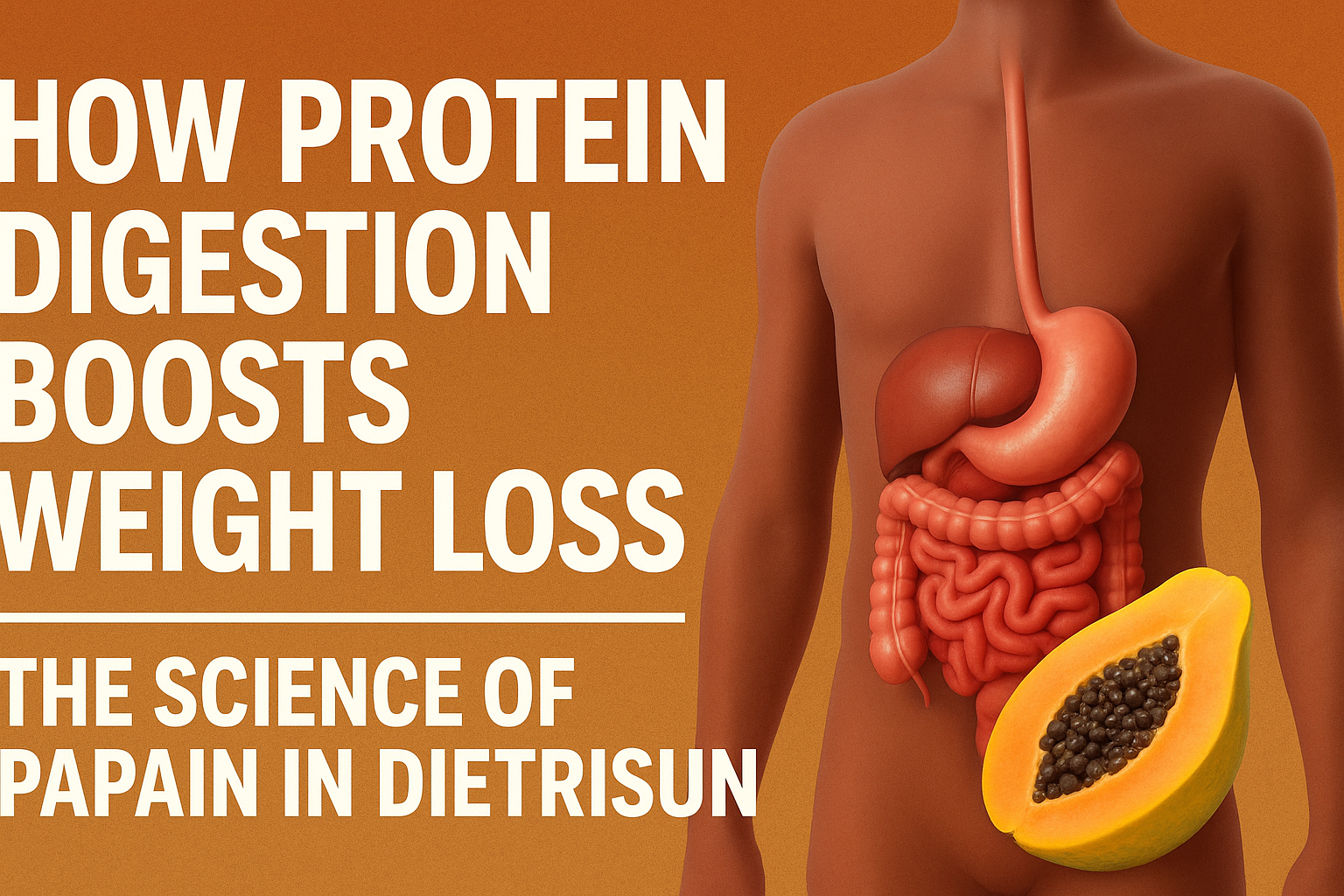
- Papain (40mg): A proteolytic enzyme derived from papaya, papain aids in protein digestion and optimizes nutrient absorption, indirectly supporting muscle preservation and metabolism (Monteiro et al., 2018).
Muscle Preservation and Prevention of Weight Loss Plateaus
- Magnesium (60mg) & Manganese (0.5mg): Essential for enzymatic reactions involved in protein synthesis and muscle function, these minerals support lean muscle maintenance during calorie restriction (Volpe, 2013).
- Selenium (125mcg) & Iodine (300mcg): Essential for thyroid hormone synthesis, which regulates metabolic rate and prevents adaptive thermogenesis (Rayman, 2012).
Anti-Inflammatory and Antioxidant Effects
- Selenium (125 mcg) & Carotenoids (2mg): These compounds have potent antioxidant properties that mitigate oxidative stress, which is often associated with obesity and metabolic dysfunction (Krinsky & Johnson, 2005).
- CoQ10 (10mg): As a mitochondrial cofactor, CoQ10 reduces oxidative damage in metabolically active tissues, promoting better energy utilization (Hernández-Camacho et al., 2018).
- Vitamin A (400mcg), Vitamin C (60mg), Vitamin E (10mcg), and Vitamin D (10mcg): These vitamins provide antioxidant support, reducing inflammation and oxidative stress (Carr & Maggini, 2017).
Dietrisun’s Role in a Diet and Exercise-Based Weight Loss Plan
While Dietrisun provides essential nutrients and metabolic support, it is most effective when combined with a structured diet and exercise regimen:
- During Caloric Deficits: CLA and CoQ10 help preserve lean muscle mass while encouraging fat loss, preventing the body from shifting into a starvation mode that slows metabolism.
- During Strength Training: Magnesium, manganese, and B-complex vitamins support muscle function and recovery, preventing fatigue and enhancing workout performance.
- During High-Intensity Cardio: Lecithin and papain aid in digestion and nutrient absorption, ensuring that energy levels remain stable even during prolonged workouts.
- For Appetite Control: Cinnamon extract and chromium helps regulate blood sugar levels, reducing cravings and minimizing binge eating episodes.
- For Long-Term Metabolic Health: Selenium, iodine, and carotenoids support thyroid function, ensuring a sustained metabolic rate even after weight loss.
These combined effects make Dietrisun a valuable adjunct to diet and exercise, helping individuals achieve sustainable weight loss while preserving metabolic efficiency.
Clinical Trials and Scientific Studies on the efficacy of ingredients present in Dietrisun
Scientific research supports the effectiveness of several key ingredients in this formula. Below are clinical studies highlighting their impact on weight management, metabolism, and overall health.
Conjugated Linoleic Acid (CLA):
- Study: Whigham, L. D., et al. (2007). Efficacy of conjugated linoleic acid for reducing fat mass. American Journal of Clinical Nutrition, 85(5), 1203-1211.
Findings: This meta-analysis concluded that CLA supplementation significantly reduces fat mass in humans, supporting its role in weight management.
- Study: Gaullier, J. M., et al. (2007). Six months of supplementation with conjugated linoleic acid induces region-specific fat mass decreases in overweight and obese adults. British Journal of Nutrition, 97(5), 973-981.
Findings: This study found that CLA supplementation led to a significant reduction in body fat mass in specific regions of the body, indicating its targeted fat-burning effects.
Cinnamon Extract:
- Study: Ranasinghe, P., et al. (2012). The effect of cinnamon on diabetes and glucose metabolism. Diabetes, Obesity & Metabolism, 14(10), 844-850.
Findings: This study reports that cinnamon improves insulin sensitivity and helps with glycemic control, supporting its role in managing blood sugar levels.
Chromium:
- Study: Anderson, R. A. (1998). Chromium, glucose intolerance, and diabetes. Journal of the American College of Nutrition, 17(6), 548-555.
Findings: Chromium supplementation has been shown to improve insulin receptor sensitivity, reducing blood sugar levels and aiding in fat loss.
Lecithin:
- Study: Rinella, M. E. (2016). Nonalcoholic fatty liver disease: a systematic review. JAMA, 316(11), 1132-1143.
Findings: Lecithin’s role in fat emulsification may support fat metabolism, though specific clinical trials on lecithin and weight loss are limited. However, studies indicate its potential for liver health and fat digestion.
Magnesium and Manganese:
- Study: Volpe, S. L. (2013). Magnesium in disease prevention and overall health. Advances in Nutrition, 4(3), 378S-383S.
Findings: Magnesium supports muscle function, and manganese plays a key role in enzymatic reactions involved in fat and carbohydrate metabolism, both crucial for preserving lean mass and metabolic health during weight loss.
Selenium:
- Study: Rayman, M. P. (2012). Selenium and human health. The Lancet, 379(9822), 1256-1268.
Findings: Selenium’s role in thyroid function is critical for metabolic rate regulation, and this review highlights its benefits for overall metabolic health.
Carotenoids (e.g., Vitamin A):
- Study: Krinsky, N. I., & Johnson, E. J. (2005). Carotenoid actions in health and disease. Nutrition Reviews, 63(2), 47-53.
Findings: Carotenoids, such as beta-carotene and lutein, have antioxidant properties that can reduce oxidative stress, improve metabolic function, and support weight loss.
Vitamin B Complex:
- Study: Kennedy, D. O. (2016). B vitamins and the brain: mechanisms, dose and efficacy. Nutrients, 8(2), 68.
Findings: This review demonstrates that B vitamins support energy metabolism and help optimize glucose use, which is vital for weight management and reducing fatigue during exercise.
These studies provide additional clinical evidence supporting the efficacy of the individual components in Dietrisun. Incorporating these references can further strengthen the article’s scientific foundation and demonstrate the effectiveness of the supplement’s ingredients in weight loss and metabolic health.
Conclusion
Dietrisun is a scientifically formulated supplement that offers multiple benefits for weight loss and metabolic health. By combining essential nutrients, metabolic boosters, and insulin-sensitizing agents, it enhances fat oxidation, supports muscle retention, regulates blood sugar levels, and prevents metabolic slowdown. When used in combination with a balanced diet and regular exercise, Dietrisun serves as an effective tool to accelerate weight loss, improve overall health, and sustain long-term metabolic function. The evidence-based approach behind its formulation ensures that users receive clinically relevant doses of key ingredients, making it a safe and effective option for individuals seeking a holistic weight management solution.
References
- Anderson, R. A. (1998). Chromium, glucose intolerance, and diabetes. Journal of the American College of Nutrition, 17(6), 548-555.
- Carr, A. C., & Maggini, S. (2017). Vitamin C and immune function. Nutrients, 9(11), 1211.
- Hernández-Camacho, J. D., et al. (2018). Coenzyme Q10 supplementation in aging and disease. Frontiers in Physiology, 9, 44.
- Kennedy, D. O. (2016). B vitamins and the brain: mechanisms, dose, and efficacy. Nutrients, 8(2), 68.
- Krinsky, N. I., & Johnson, E. J. (2005). Carotenoid actions in health and disease. Nutrition Reviews, 63(2), 47-53.
- Monteiro, P. I., et al. (2018). Papain supplementation and digestion. Food Science & Nutrition, 6(2), 243-250.
- Ranasinghe, P., et al. (2012). The effect of cinnamon on diabetes and glucose metabolism. Diabetes, Obesity & Metabolism, 14(10), 844-850.
- Rayman, M. P. (2012). Selenium and human health. The Lancet, 379(9822), 1256-1268.
- Rinella, M. E. (2016). Nonalcoholic fatty liver disease: a systematic review. JAMA, 316(11), 1132-1143.
- Volpe, S. L. (2013). Magnesium in disease prevention and overall health. Advances in Nutrition, 4(3), 378S-383S.
- Whigham, L. D., et al. (2007). Efficacy of conjugated linoleic acid for reducing fat mass. American Journal of Clinical Nutrition, 85(5), 1203-1211.